Coffee Prices Germany
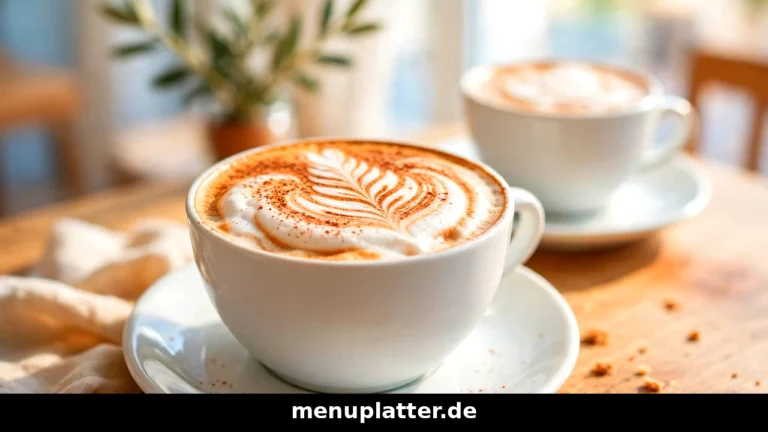
A coffee in Germany costs between €1.50 and €4.40 — and where you drink it matters more than what’s in the cup. Bakeries pour filter coffee from €1.50, espresso starts at €2.49, and a large café crema at a city café chain tops out at €4.40. Honestly, the beans explain little of that spread. The seat, the city, the cup size? Almost everything. That’s what shapes coffee prices Germany.
Coffee Prices at a Glance
The short version: the main coffee styles, with the price ranges we checked. Bakeries and fast food sit at the low end. Café chains in central locations? The high end — no contest.
| Drink | Price |
|---|---|
| Filter coffee / coffee (bakery) | €1.50–€2.49 |
| Filter coffee Pike Place (Starbucks, Tall–Venti) | €2.19–€3.19 |
| Café (McCafé, Small–Grande) | €2.09–€4.09 |
| Espresso | €2.49–€2.75 |
| Café Crème / Café Crema (Coffee Fellows) | €3.30–€4.40 |
| Signature Brew 400 ml (Espresso House) | €4.00 |
| Milchkaffee (Junge Bäckerei, Heiligenhafen example) | €3.90 |
| Favourite coffee at Tchibo (Coffee Wednesday, promotion) | €1.00 |

Cheapest coffee on this page? A Tchibo promotion. On Wednesdays, its favourite coffee temporarily cost only €1.00. Don’t plan around it — Tchibo publishes no nationwide price list for its coffee bars. Every store displays its own prices on site.
Filter Coffee: The Cheapest Way In
Filter coffee wins on price. Full stop. At BackWerk you pay €1.50 to €2.49, depending on store and size. It stands by the bread counter, fast and cheap — exactly what most people want first thing in the morning.
Starbucks calls its filter coffee Pike Place Roast: €2.19 in Tall, €3.19 in Venti. The extra money buys the brand, the seat — and the time you spend inside.
Espresso House calls its version Signature Brew: a 400 ml serving at €4.00, the highest value in this round. McCafé sits between the extremes — next section.
At McCafé, a plain Café runs €2.09 in Small, €3.19 in Regular, €4.09 in Grande. Only want the caffeine? The smallest size, at a bakery or McCafé, is your best value.
Espresso and Café Crema
Small cup, strong hit — and a surprisingly stable price. McCafé charges €2.49 for the small espresso, €3.49 for the large. Coffee Fellows asks €2.60 for a small. Starbucks? €2.75.
| Drink | Price |
|---|---|
| Espresso (McCafé, Small) | €2.49 |
| Espresso (Coffee Fellows, small) | €2.60 |
| Espresso (Starbucks) | €2.75 |
| Espresso Macchiato (Starbucks) | €3.20 |
| Café Crème (Coffee Fellows, small–large) | €3.30–€4.40 |
| Caffè Americano (Starbucks, Tall–Venti) | €3.39–€4.39 |
Coffee Fellows lists it as Café Crème: €3.30 in small, €3.90 in medium, €4.40 in large. Cafés pull it long, top it with a firm crema, serve it without milk.
Visitors compare café crema with an Americano. Taste-wise? Little difference, honestly. The price can still differ — every chain sets its own menu.
Milk Coffee and Café au Lait
Head north, to Junge Bäckerei: a guest in Heiligenhafen paid €3.90 for a Milchkaffee. That harbour price tops the bakery range — smaller towns often charge less for the same drink.
Aral lists a Milchkaffee too, in sizes M and L at REWE To Go and PetitBistro shops. Fixed prices online? None. You see the price at the petrol station itself.
Almost every petrol station coffee in Germany follows that pattern. Rule of thumb: a milk coffee costs €0.50 to €1.00 more than the black coffee beside it. The milk, the frothing, the larger cup — that’s the gap.
Bakery, Café or Petrol Station: Where Is Coffee Cheapest?
The bakery wins this price check. Almost every time. BackWerk charges €1.50 to €2.49, and many stores add a breakfast deal. Coffee sells the bread roll there — so the chain prices it tightly.
Starbucks, Coffee Fellows, Espresso House — they sell you time as well as coffee. Seats, Wi-Fi, quiet music, all in the cup price. Their €2.19 to €4.40 range is rent and staff in good locations, plus barista prep and a wide milk choice.
Petrol stations sit in the middle — but publish no fixed prices. Aral promotes deals like a filled roll with a Café Crème in size S for breakfast. Two things stand out: every hot drink costs €0.30 less in a Recup reusable cup, and the Oatly oat drink costs no extra. None. Most cafés still charge extra for oat milk, so that policy stands out.
Why Prices Spread So Widely
The coffee itself is a small part of the price. Rent, staff, energy — they matter far more. And the room matters: a standing café with no seats calculates nothing like a café built for guests who linger.
Size drives it too: at Starbucks, exactly €1.00 separates Tall from Venti. Milk alternatives cost extra at many chains; Aral charges nothing. Drink coffee on the go daily? Small sizes and a reusable cup save you the most.
Region plays a role as well. Munich and Hamburg sit above the average; smaller towns below it. That’s why this guide shows coffee prices Germany as ranges — one single number would fail at the next station.
Good to Know
Prices can vary by location. Every amount here comes from linked price lists, store menus, and the checked chain guides on this site. Promotions like the Tchibo Coffee Wednesday run for a limited time only. As of October 2026, the ranges above are the prices we checked.
Aral describes its petrol station range on the official Aral coffee page. The full range at Coffee Fellows is worth a browse too.
More on MenuPlatter.de: Kaffee Preise Deutschland, Starbucks Germany Prices and McCafé Germany Prices.
Frequently Asked Questions
What does Filterkaffee mean on a German menu?
Filterkaffee means drip-brewed coffee — not an espresso drink. Cafés brew it in batches, pour it into a normal cup, serve it black unless you ask for milk and sugar. Grew up with US diner coffee? This is the one that tastes familiar.
What is a Milchkaffee, and how do you order one?
A Milchkaffee is coffee with a generous share of hot milk. Many cafés serve it in a wide bowl, not a small cup — something to hold with both hands. Order it by name. Staff understand the word everywhere in Germany.
How do you tip for coffee in Germany?
You tip at the table or counter — not by leaving coins behind as you rush out. Most guests round the bill up and hand it over while paying. By card? Tell staff your total before they run the card.
How does the Recup reusable cup system work?
Simple, really: you borrow a sturdy cup instead of taking a disposable one. Later you return it to a participating café or bakery — deposit back, or swap it for a clean cup. That return step makes the system work. So no, don’t keep it as a souvenir.
Can you order decaf coffee at German chains?
Yes, almost everywhere. Tchibo sells its Feine Milde roast in a decaf version, as beans and capsules for home use. In cafés, most espresso drinks can be ordered with a decaf roast. Chains usually charge no extra for the swap — and the taste stays close to the original.

MenuPlatter — Menus with Prices
MenuPlatter Germany collects 400 menus with real prices from chains and restaurants across Germany. Every guide is researched by hand, cross-checked against official sources and updated monthly, so you know what your meal costs before you go. Free to use, no sign-up needed.