Bubble Tea Prices Germany
Short answer? Most cups land between €5.00 and €9.00. The long answer is this page. A classic milk tea or fruit tea, 500 ml, sells for €5.00–€7.00 in many shops — but walk into a premium chain on an expensive street and you’ll pay €7.50–€9.00 for the same drink. We break down bubble tea prices Germany in plain English, from real menus we checked in Leipzig, Berlin, Cologne, and Frankfurt.
Prices by Drink Type
Start where everyone starts. Milk tea — the classic order, the one first-timers point at. Fruit tea sits right beside it, same price, occasionally a few cents cheaper. Brown sugar is another story: fresh milk, pearls caramelised in the syrup, far more work behind the counter. You pay for all of it. That’s why those drinks top the range.
| Product | Price |
|---|---|
| Classic milk tea, 500 ml (The Tea Cup Leipzig) | €5.00 |
| Fruit tea, 500 ml (The Tea Cup Leipzig) | €5.00 |
| Classic milk tea (Boba Cuppa Berlin) | €6.00 |
| Fruit tea, e.g. mango or passion fruit (Berlin) | €6.00 |
| Milk tea, e.g. jasmine or Ceylon (Comebuy Cologne) | €7.00 |
| Taro or matcha milk tea (Comebuy Cologne) | €8.00 |
| Brown Sugar Tapioca Cream (Comebuy Cologne) | €9.00 |
| Brown Sugar Deerioca Milk (The Alley, delivery price Frankfurt) | €8.40 |
| Royal No. 9 Milk Tea with tapioca (The Alley, delivery price) | €7.50 |
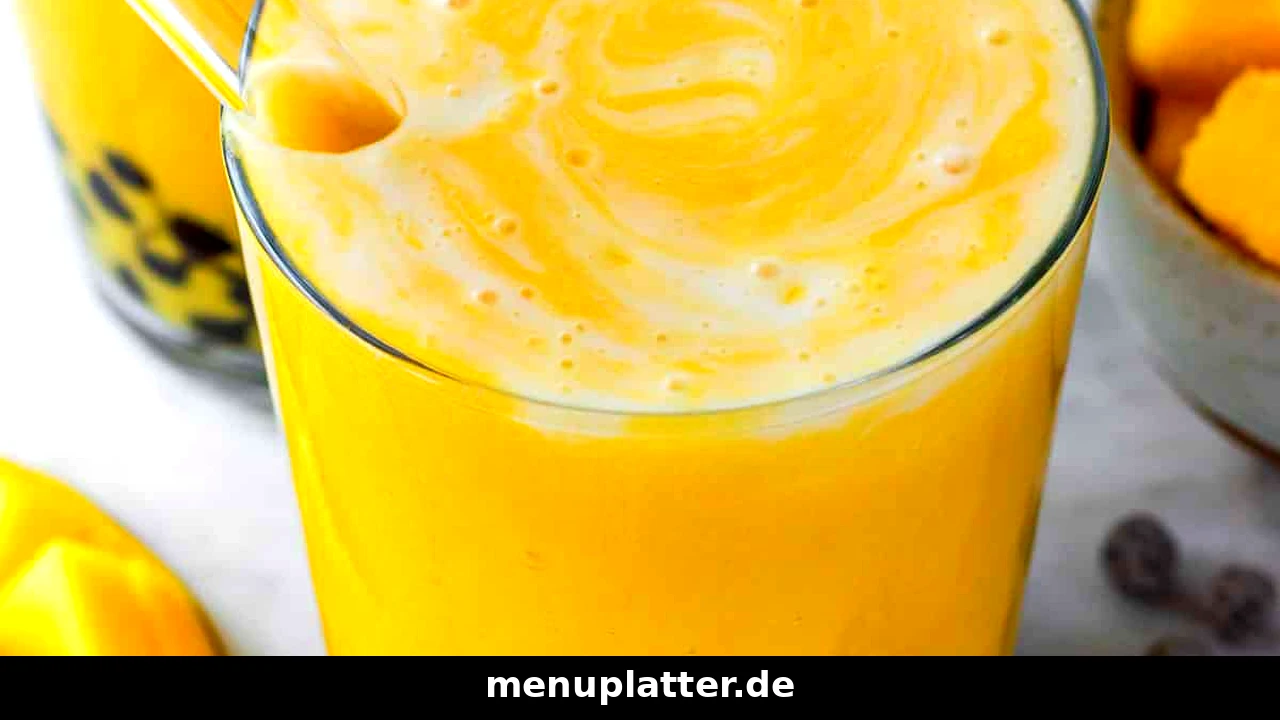
Look at that spread — it tells you almost everything. The same kind of drink costs €5.00 in Leipzig. Near Cologne Cathedral? €7.00–€9.00. Flavour barely matters here; the postcode does. Recipe loses, rent wins, every time.
Sizes: 500 ml Against 700 ml
Two sizes, most places. The Tea Cup in Leipzig keeps it simple: 500 ml or 700 ml, done. Going large costs just €0.60 extra there — €5.00 up to €5.60 — for milk tea and fruit tea alike.
Except — there’s always an except — chains can’t agree on what „large“ means. Comebuy in Cologne calls 0.65 l its standard. The Alley in Frankfurt sells many drinks as size M, holding 475 ml. So compare price against actual size, not the word on the board.
| Product | Price |
|---|---|
| Fruity Refresher 500 ml, incl. 1 topping (Leipzig) | €5.00 |
| Fruity Refresher 700 ml, incl. 1 topping (Leipzig) | €5.60 |
| Milky Classic 500 ml, incl. 1 topping (Leipzig) | €5.00 |
| Milky Classic 700 ml, incl. 1 topping (Leipzig) | €5.60 |
| Yoghurt Smoothie 500 ml / 700 ml (Leipzig) | €5.20 / €5.80 |
| Soda drinks, 700 ml only (Leipzig) | €5.60 |
| Special drinks, e.g. chocolate Oreo (Leipzig) | €6.90 |
Run the numbers. Roughly twelve percent more money buys forty percent more drink — the large cup wins that trade easily. Small only makes sense if you honestly know you won’t finish a big one.
Extra Toppings: Tapioca, Popping Boba, Jelly
Good news first: plenty of shops include one topping in the cup price. The Tea Cup in Leipzig does; so does the Le Kitchen menu. Extras cost, though — €1.00 apiece in Leipzig, €0.50 per portion at Le Kitchen.
| Product | Price |
|---|---|
| Extra topping (Le Kitchen, per portion) | +€0.50 |
| Extra topping from 14 types (The Tea Cup Leipzig) | +€1.00 |
| Tapioca topping (The Alley, delivery price) | +€1.00 |
| Green tea or coconut jelly topping (The Alley) | +€1.40 |
| Deerioca brown sugar topping (The Alley) | +€1.40 |
| Soy or oat milk instead of cow’s milk (Leipzig) | +€0.20 |
Our take: one extra realistically costs €0.50–€1.40. Sounds harmless. Stack two onto a €5.00 drink, though, and you’re suddenly at €7.00. Decide your toppings before you order, not in a panic at the till.
Chains Compared: Where Your Euro Goes Further
Pick a chain, pick a price level — the chain matters more than any flavour here. Comebuy, from Taiwan, prices most Cologne drinks between €7.00 and €9.00. The Alley goes premium in Frankfurt, delivery prices €7.50 to €9.00. Independents like The Tea Cup in Leipzig undercut both: €5.00–€5.60.
And BoboQ, Gong Cha, KOI Thé? We looked — properly looked — and found no reliable, checkable German price menu for any of them. BoboQ runs shops in places like Dortmund; Gong Cha and KOI appear in a few German locations only. Still: no source, no numbers. That’s our rule, so our chain guides are linked below instead.
Check us, please. The Leipzig menu is on theteacup.de, and The Alley’s Frankfurt delivery prices sit on Uber Eats. One warning: delivery prices can sit above counter prices — usually do.
Why the City Changes the Price
Rent. Mostly rent. Prime locations in Cologne, Frankfurt, and Berlin carry high rents — and those rents land in your cup. Smaller cities work with lower costs: Leipzig shows what’s possible away from the priciest streets, at €5.00 for 500 ml.
The model matters too. Chains with central marketing and uniform design calculate differently from family shops. Delivery is the third factor: the same drink often costs €1.00–€2.00 more in an app than at the counter. That’s why bubble tea prices Germany never follow one national list.
Good to Know
Prices can vary by location. Every shop and chain sets its own prices, and this page mixes counter prices with clearly marked delivery prices. As of October 2026, the menu board in your shop beats anything written here. That’s the price that counts.
More on MenuPlatter.de: Bubble Tea Preise Deutschland and Coffee Prices Germany.
Frequently Asked Questions
How do sugar and ice levels work when I order?
You pick both, in steps — and both are free. Sugar runs from no sugar up to extra sweet; ice is no ice, less ice, or normal ice. New to this? Start with half sugar. German menus often taste sweeter than expected.
What do the topping names mean in plain English?
Quick translations. Tapioca pearls: the dark, chewy balls cooked in syrup. Popping boba: thin-skinned juice balls that burst in your mouth. Jelly pieces: firmer cubes, often coconut or fruit juice. And brown sugar pearls arrive warm, streaking the cup wall with dark stripes.
What does “QQ” mean on a German bubble tea menu?
In Taiwan, QQ describes a texture — springy, chewy, bouncy — not a flavour. A promise, really. An Ultimate QQ Milk Tea at Comebuy in Cologne costs €9.00 and packs several topping types into one cup. Love chewing your drink? Order it.
How do I order step by step at the counter?
Order in this sequence and staff will follow you anywhere: size first. Then tea base. Sugar level, ice level, topping last. “wenig Zucker” means little sugar; “ohne Eis” means no ice. Stuck? Point at the menu item while you speak — works better than perfect grammar.
Is bubble tea suitable for small children?
Honestly? We wouldn’t. The Leipzig menu itself warns the pearls are a choking risk for small children — and sugar adds a second reason for care. Older children do better with the small size and little sugar, drunk slowly through the wide straw.

MenuPlatter — Menus with Prices
MenuPlatter Germany collects 400 menus with real prices from chains and restaurants across Germany. Every guide is researched by hand, cross-checked against official sources and updated monthly, so you know what your meal costs before you go. Free to use, no sign-up needed.